Crying In Public: why we should stop hiding our tears
When tears arrive.
Wednesday morning, coffee in hand, I found a seat in the departure lounge and watched the sun lift over the tarmac. Tears arrive from nowhere, warm and sudden, and for a moment I sit there thinking, of all places, not the most convenient place to cry over my coffee. But instead of shutting them down, I pull out my phone, chose a song Ed has recently sent me (Locked by Four Tet) and let myself go. I look out at the sun, as tears slide down my face, right there in public. I’m not hiding, not pretending this isn’t happening.
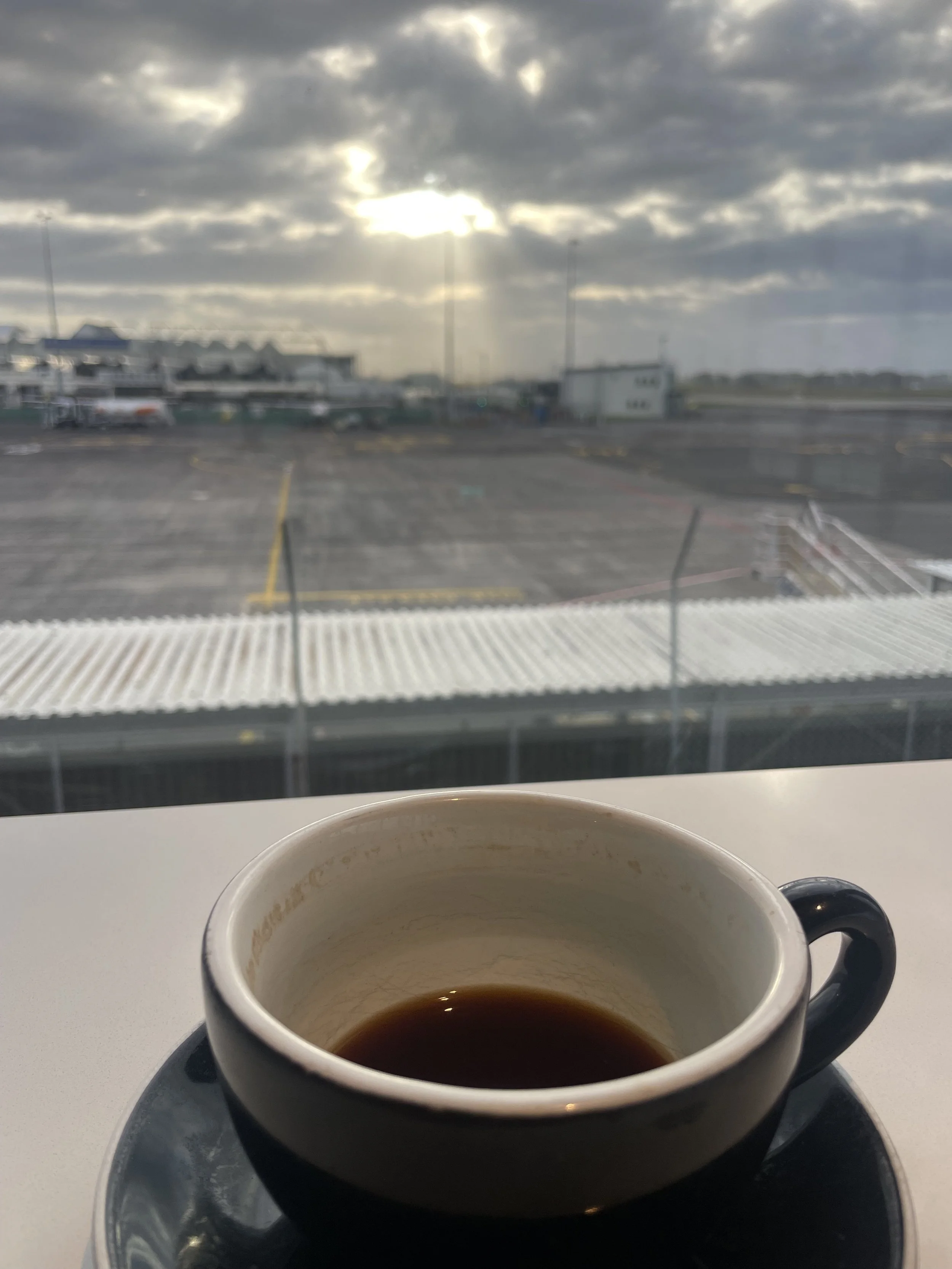
Like the sun, my tears burst through.
Why we hide our tears.
Why do we feel so awkward about crying where other people can see us?
Tears are as human as laughter, and as difficult to suppress. They serve a purpose too, and yet we learn early to treat them as something to be managed, wiped away by the back of our hand, or muffled behind a tissue. Part of that comes from how we view strength and composure, especially when we are travelling, parenting, or working.
There is also the ridiculous social script that says emotions should stay private, when in fact they need to be felt. There’s such relief in allowing them in, not shutting them out.
A few minutes of introspection revealed that I was crying because I was tired, because I was away from home, because I missed the people I love most, because the steady, daily work of holding all of life’s little and large struggles was heavy today. There was no single dramatic reason. Sometimes the pressure valve opens, not because of one shattering event, but from accumulation, exhaustion.
So, what helps when the tears arrive?
First, give yourself permission, explicitly. Name what you’re feeling. “I’m feeling sad,” “I’m feeling tired,” “I am feeling lonely because I miss them”, “I feel exhausted and want to go home”. Naming it weakens the intensity of the feeling, making it less bewildering, and putting just enough space between you and that feeling that it’s easier to realise this is something you are experiencing, not the whole of you. It’s not all of you and it’s not permanent. Just a moment.
Second, find something simple and immediately accessible to anchor you: a piece of music, a walk, a breathing pattern, a small soothing ritual like immersing your hands in hot water or holding on to a talisman piece of jewellery – all of which tell your body these feelings are allowed and will pass. In the lounge I used music. Later I used movement.
Third, resist the urge to perform and conform. Courage is not the absence of tears, it is the willingness to feel them and keep going. That means you can cry, and then choose what you do next. You don’t have to stay in the moment indefinitely, and you don’t have to hurry yourself through it either.
Why it matters for others too.
There’s an important aspect for wellbeing and what it means to cope more broadly here too though.
Allowing emotions to reveal themselves in public quietly normalises it for others. When you cry openly - without shame - you give permission to those around you who are also carrying something to let their feelings in. Our public emotional life teaches by example, and small acts of honesty and transparency make shared spaces more humane, life more real.
Not quite ready for a public blub?
That’s okay. I get it. If you worry about practicalities, flights, meetings, upsetting people or looking after others, plan a small, safe pause. Step into a quieter corner, put on headphones, lock yourself in the loo, tap into an app that guides you through some mindful breathing or a body scan for a few minutes, then come back to the world.
Little pauses are a great way to help us cope with the intensity and randomness of emotions – and I get it that not everybody is ready to face their tears in public. I guess I can because I’ve made peace with them, coming to view them as a sign of my love, caring and compassion, my vulnerability and my values. All of which I want to embrace not diminish or hide away.
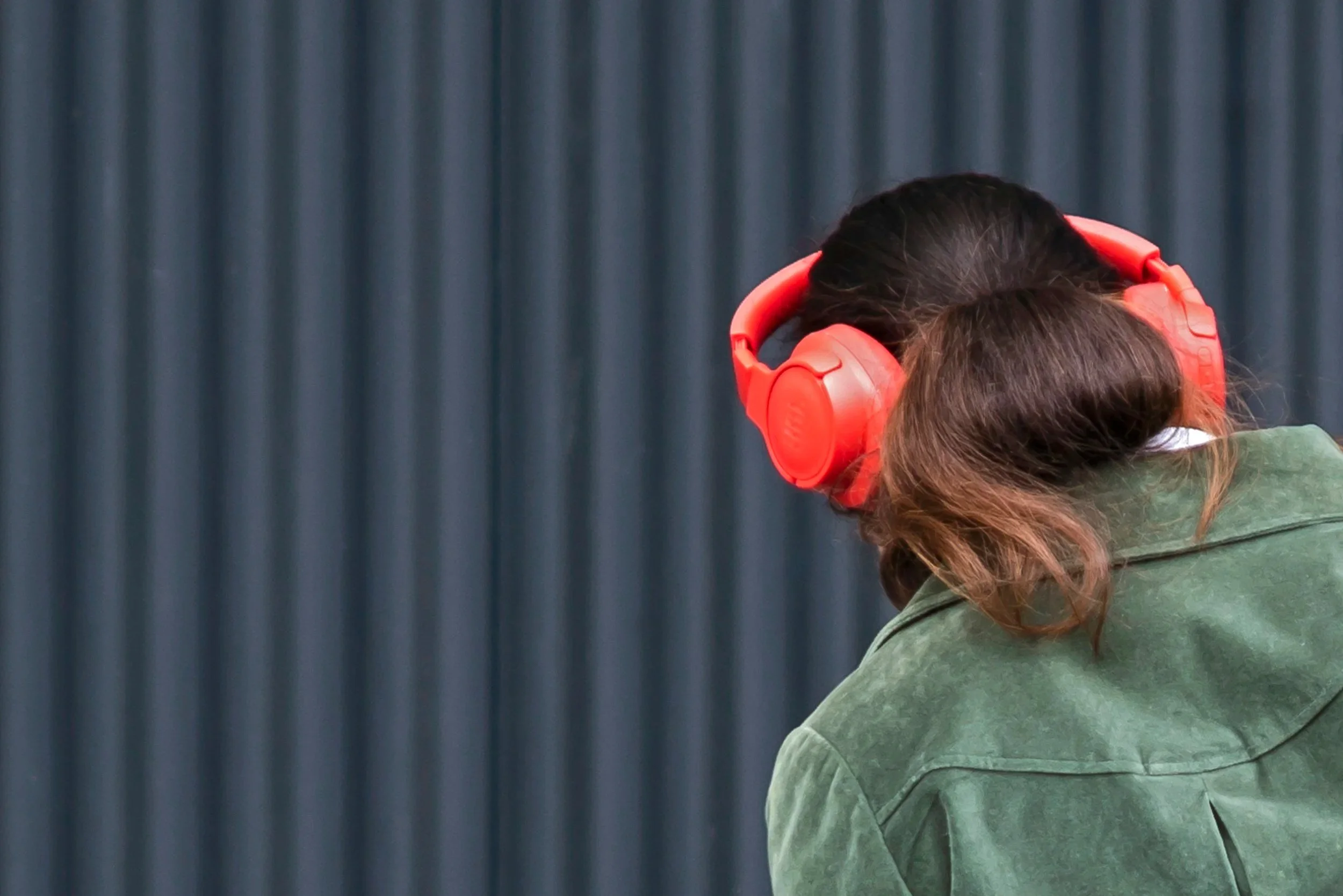
My Good, my Bad, my Everything. Thanks Barry.
This particular morning, having given myself permission and the head and heart space to cry - not avoided, but walked into those difficult feelings - I turned to my phone again, searched up Barry White, and blasted You’re the First, the Last, My Everything out.
I got up, took myself off for a power walk around the lounge to pick myself up, and renewed my commitment to feel it all.
My Good, my Bad. my Everything.
If you’re not ready to cry in public, that’s okay. But take a moment to ask yourself: what are my emotions trying to tell me, and am I paying attention, am I listening?
If this resonated with you, you might like my weekly newsletter.
Every Sunday I share reflections, research and practical tools for navigating loss, change and uncertainty.