Do Dogs Grieve When Another Dog Dies? What Lulu Is Teaching Me About Pet Loss
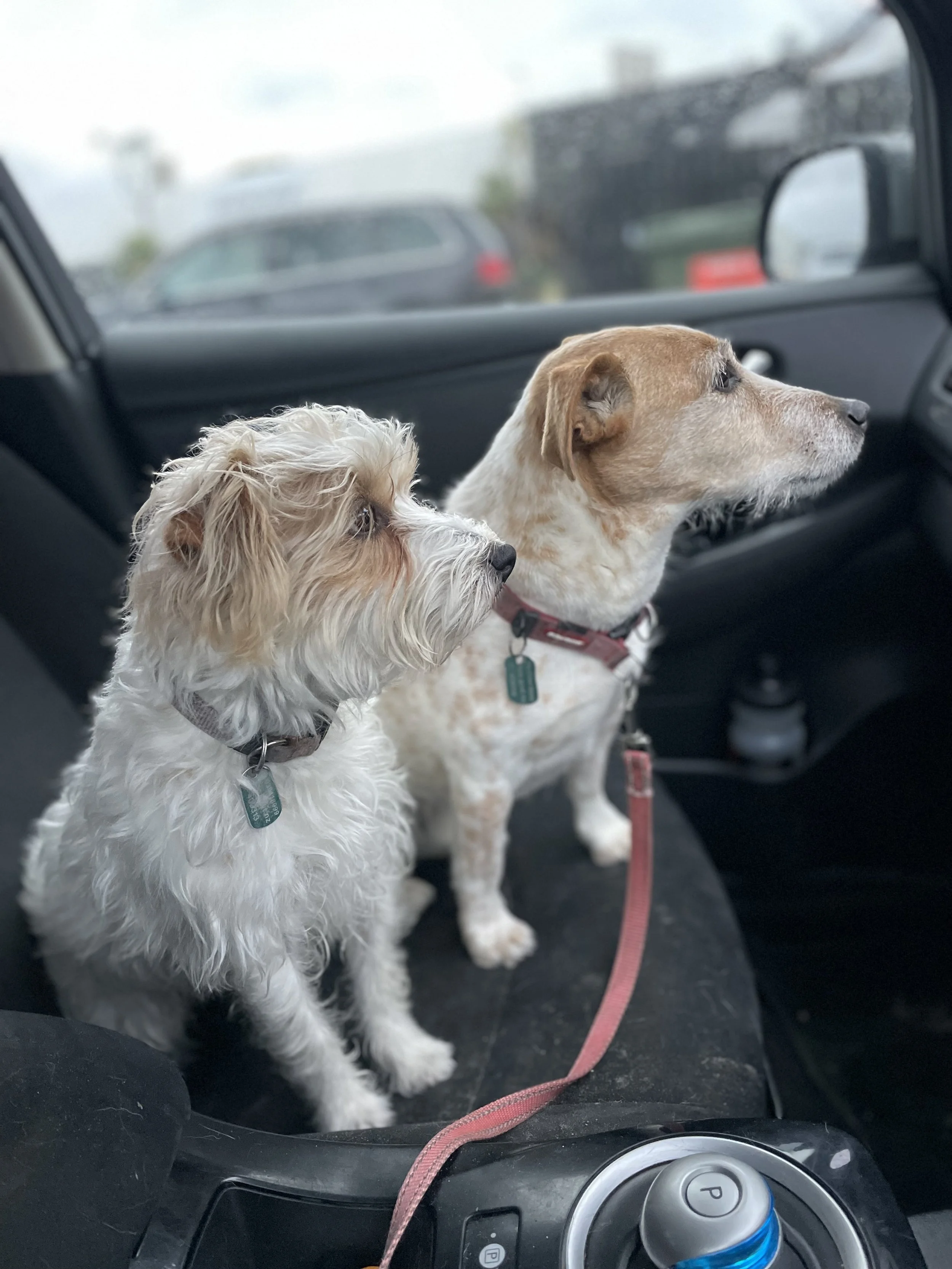
Since Jack died, Lulu hasn’t quite been herself.
Watching her has left me wondering what she understands, how I can help — and what the science actually tells us about dogs and grief.
There’s been something about losing Jack The Dog that I wasn’t prepared for.
Lulu. His running mate.
I knew I would miss Jack. I knew the house would feel different without him. I knew we’d grieve and there would likely be all those horrible little moments when I look for him, remember him and miss him so much. What I hadn’t anticipated though was how awful it would be watching Lulu without him.
She looks lost. Not dramatically so: she’s eating, she still wags her tail when we make a fuss of her; she comes for walks and responds to affection. I’m not actually worried about her. But she is discernibly different - clingier and a little more lethargic and less adventurous. This morning, instead of darting off the track to explore the hillside as she normally would, she stayed on the path close behind me.
The particular helplessness of watching someone else grieve
But what I hate most is not being able to talk to her about it and soothe her. I took photos of her and Jack on their last day together and, in that first week after he died, I hated not being able to show them to her! Mad I know, but it really bothered me.
I went away for work last week and since I’ve been back I find myself watching her constantly. Are you okay? Do you miss him? Do you understand where he’s gone? What can I possibly do to help you?
I desperately want to be able to explain it to her. I want to make sure that she understands that Jack was old and ill - that his body was failing him.
I want her to be able to tell me what this is like for her. I’m becoming pathetic in my obsession with soothing her and ‘being there’ for her.
Of course, at precisely this point, the researcher in me starts issuing warnings.
Careful, don’t anthropomorphise - don’t take human thoughts and emotions and paste them onto a dog. Plus, we’ve never suspected Lulu as blessed with much intellect!
But I know what I can see and something has changed.
Which sent me hunting down the research to answer my question - do dogs grieve when another dog dies?
Research suggests that many dogs certainly respond to the loss, showing behavioural changes after losing a canine companion. They may become more clingy, less playful or active, sleep more, eat less or appear more fearful or anxious. We can’t know whether dogs experience grief as such, or even what they understand about death, but they certainly seem capable of responding to the absence of a companion they were attached to.
And Lulu was attached to Jack.
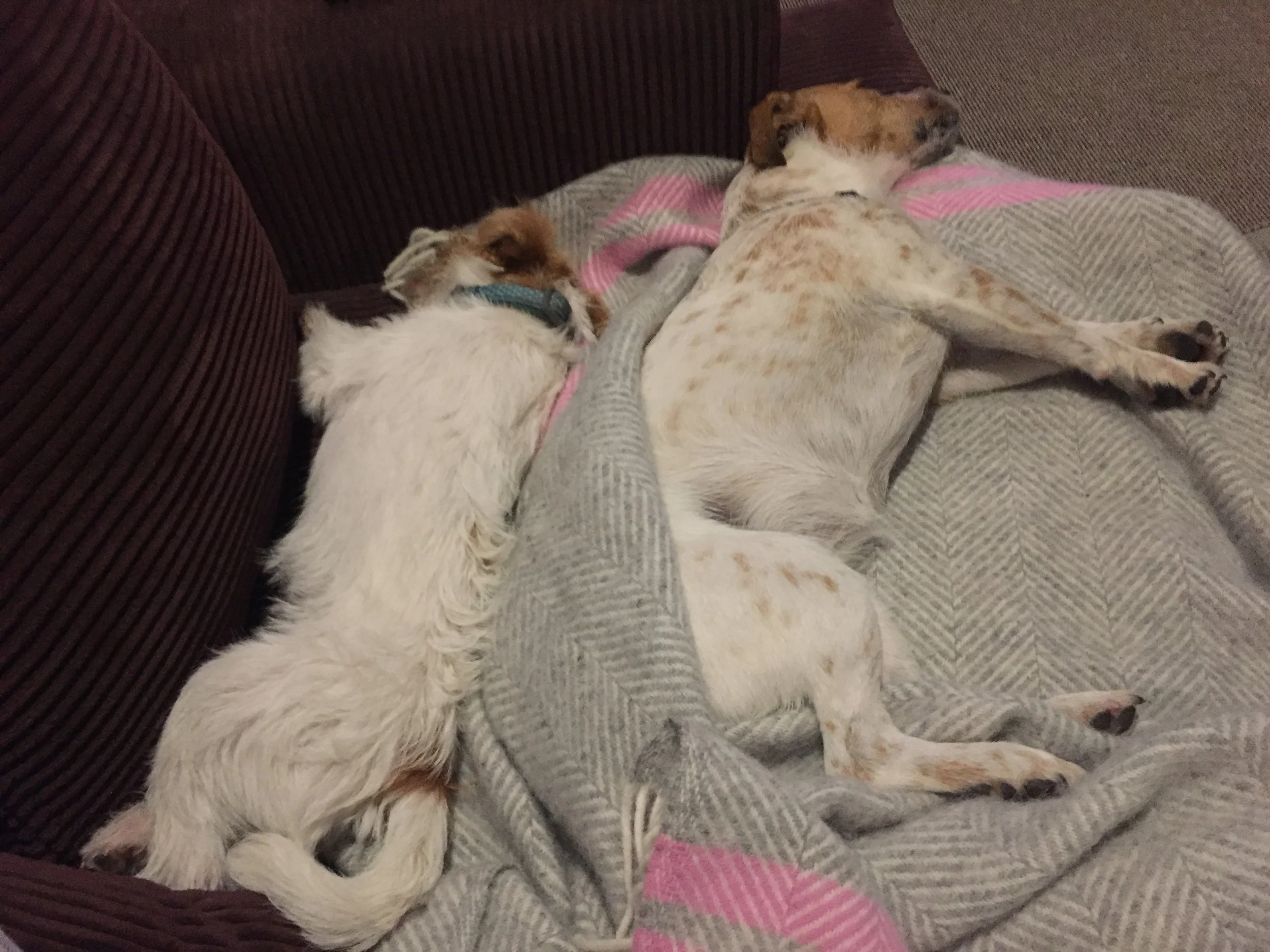
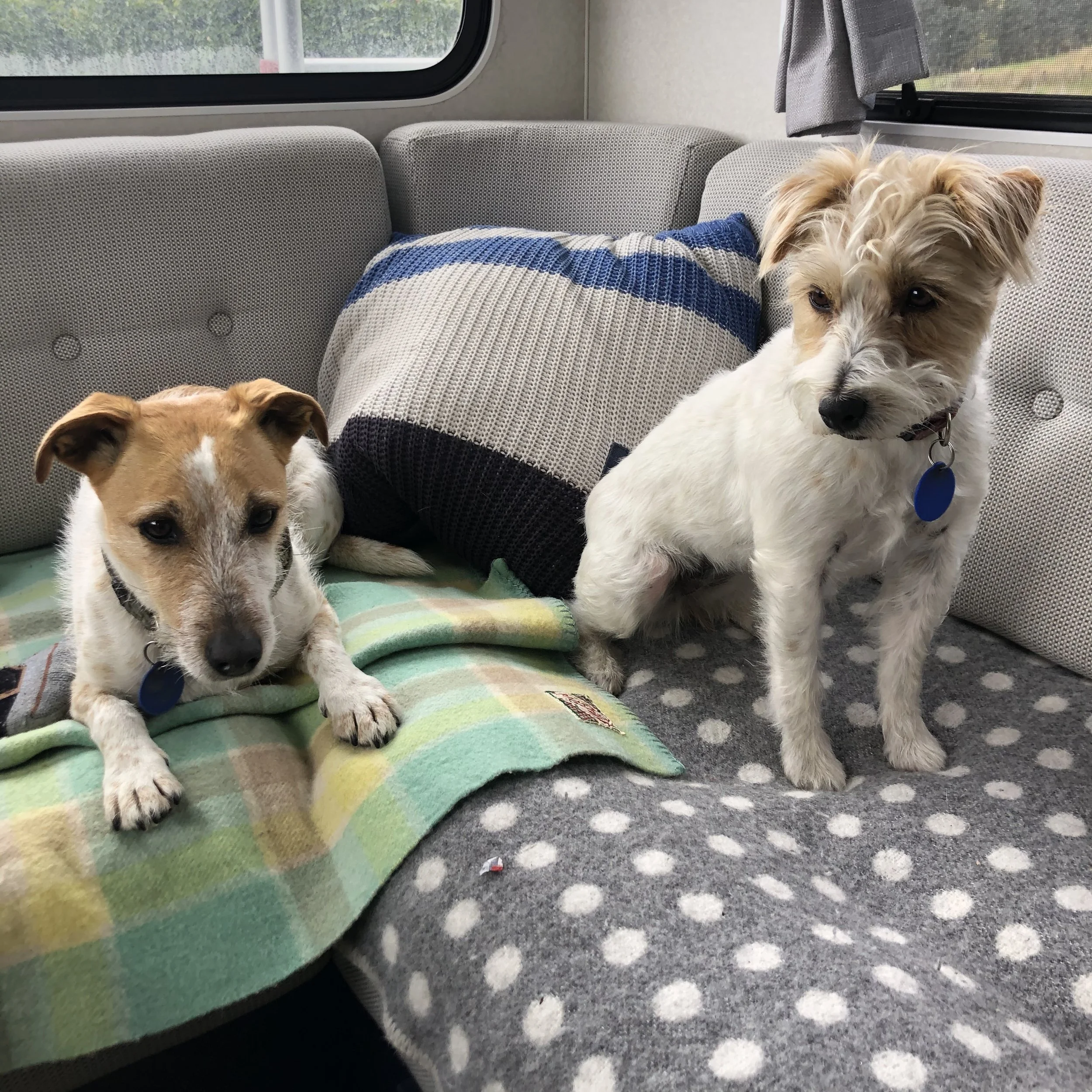
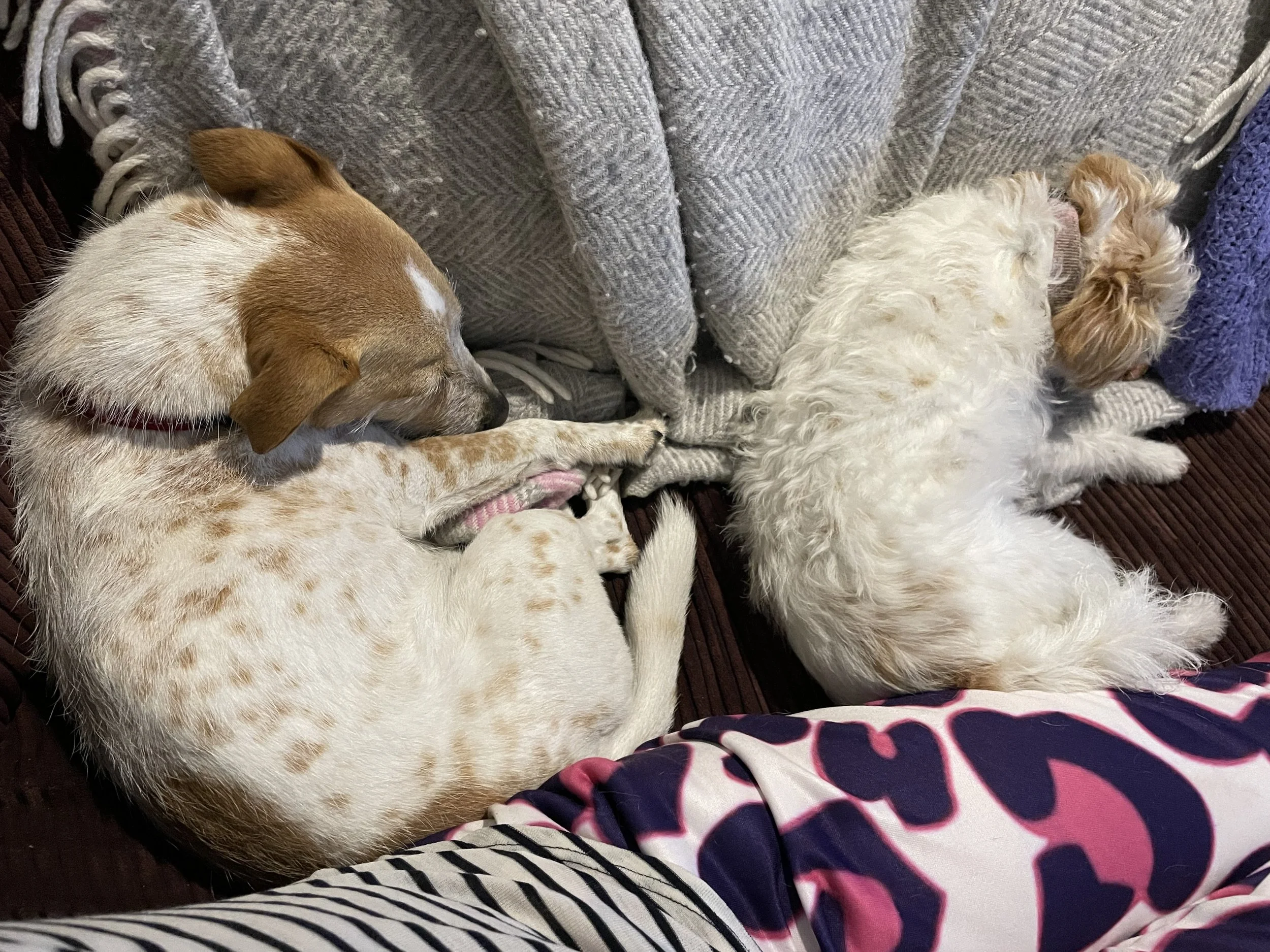
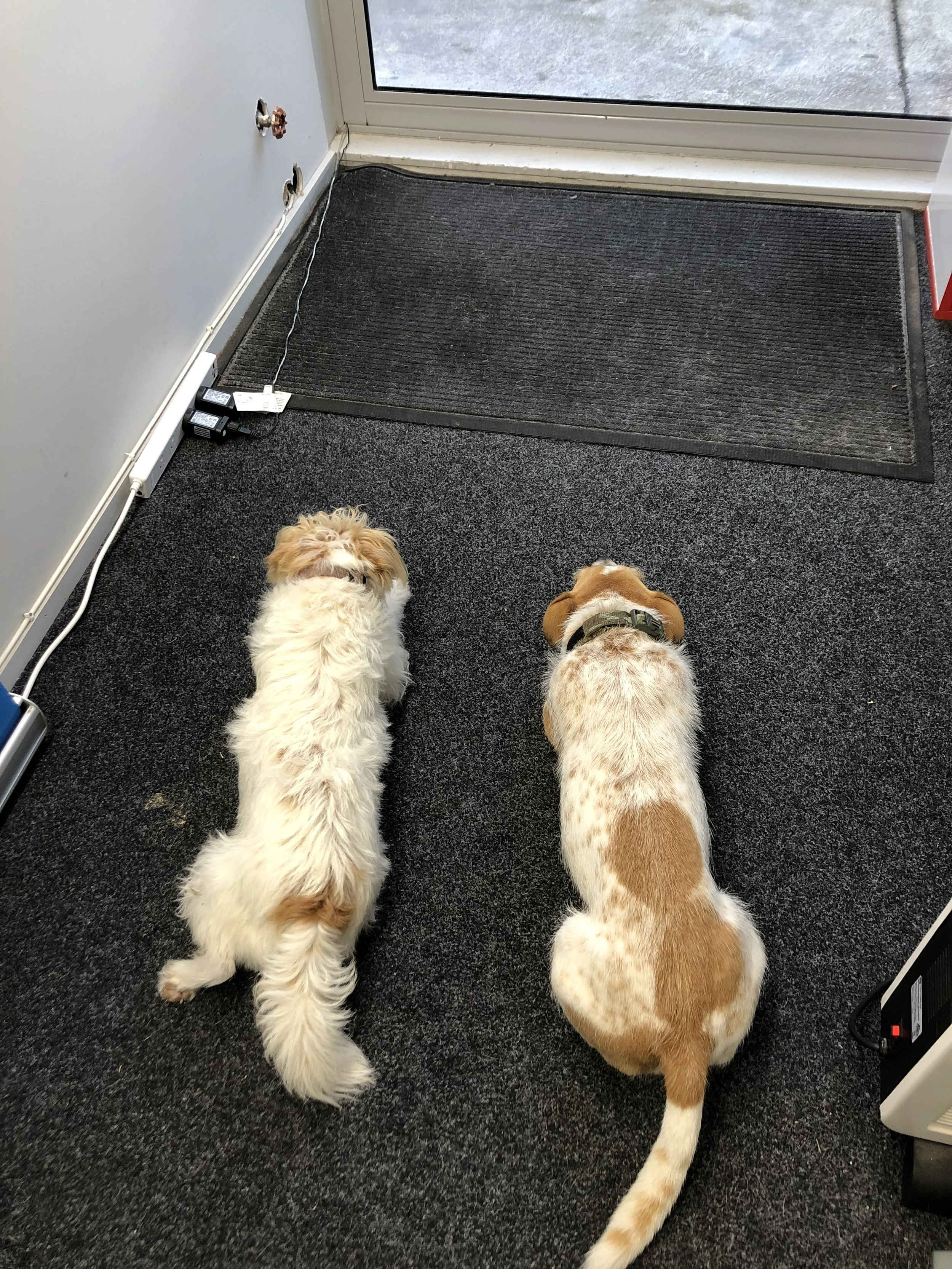
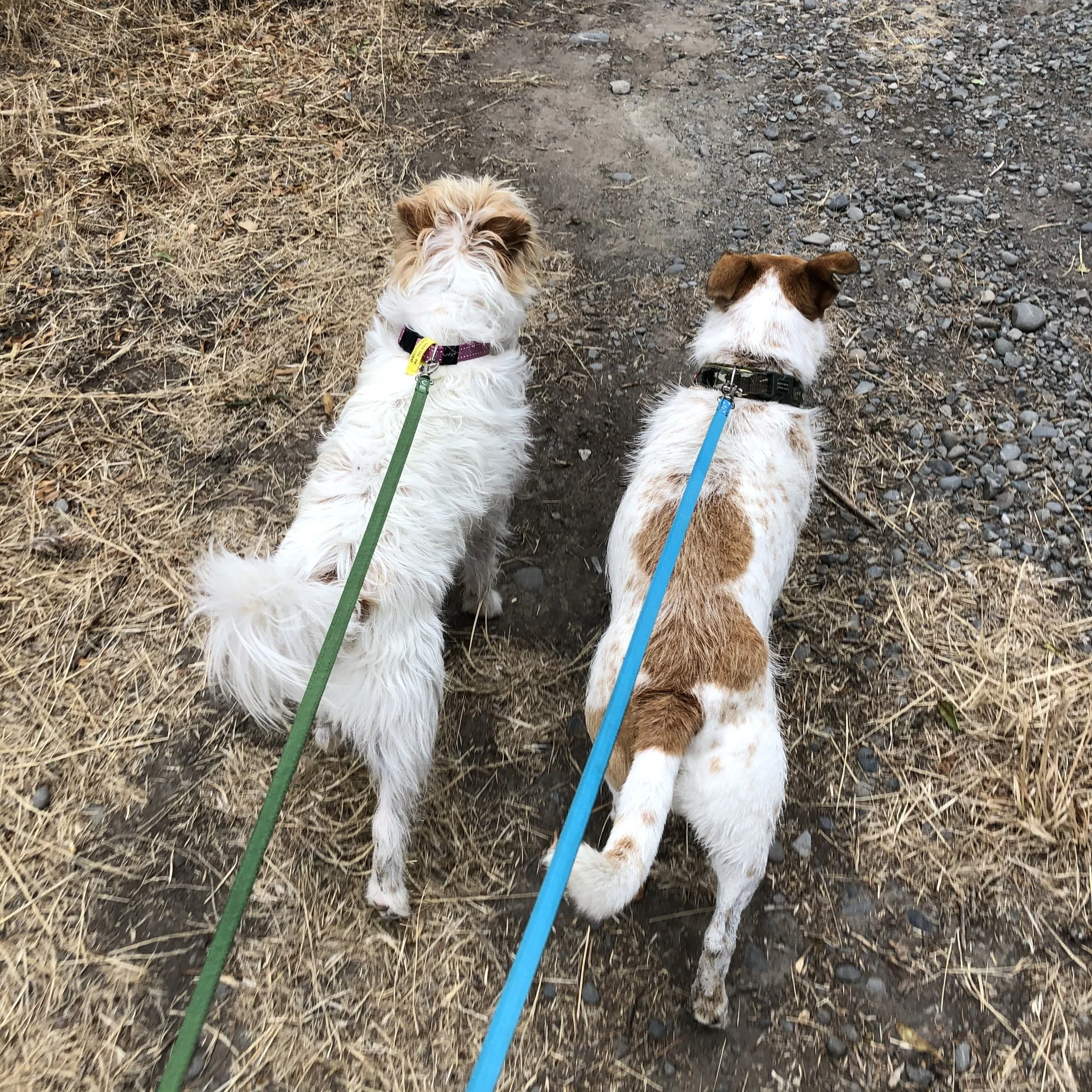
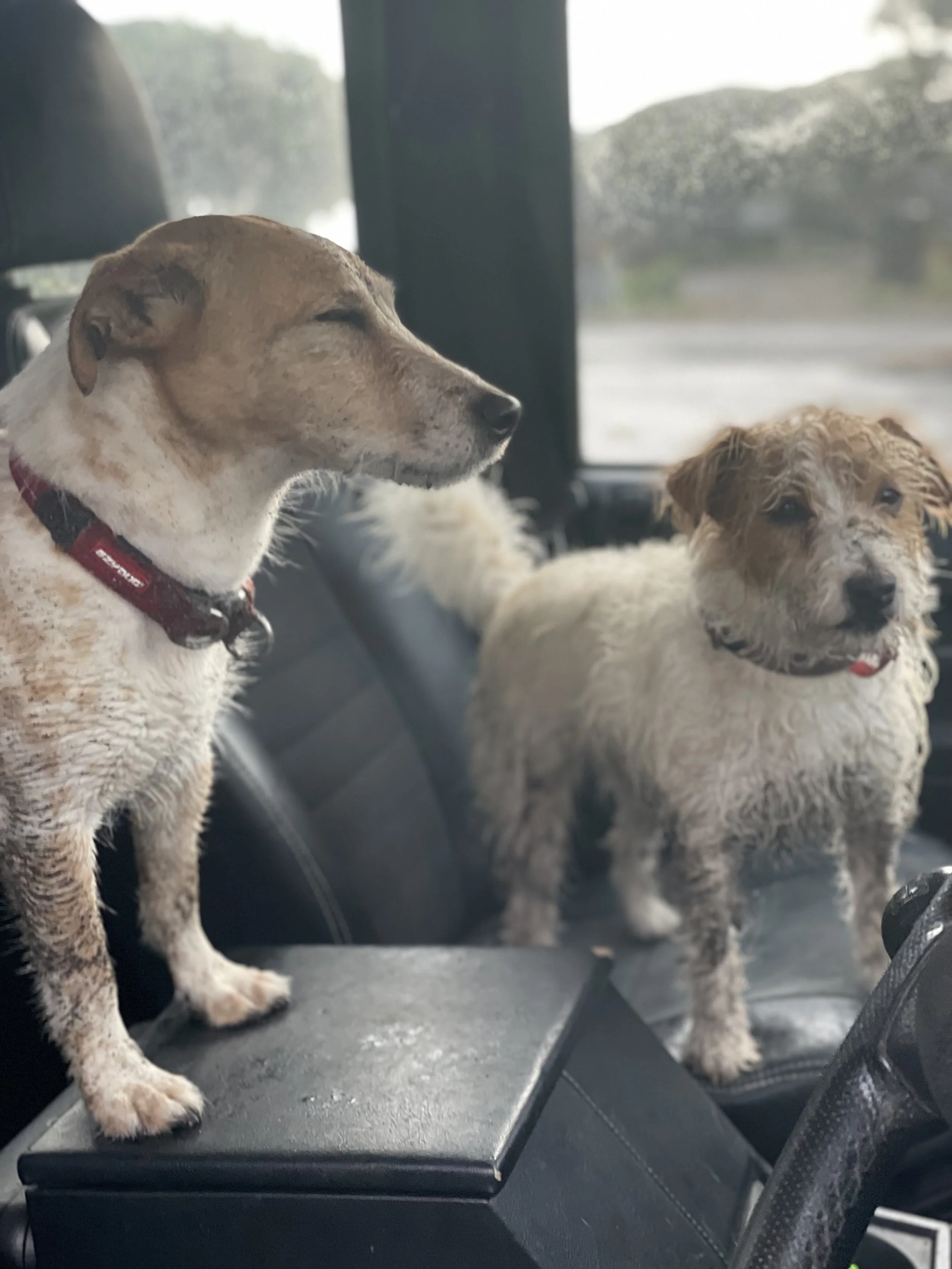
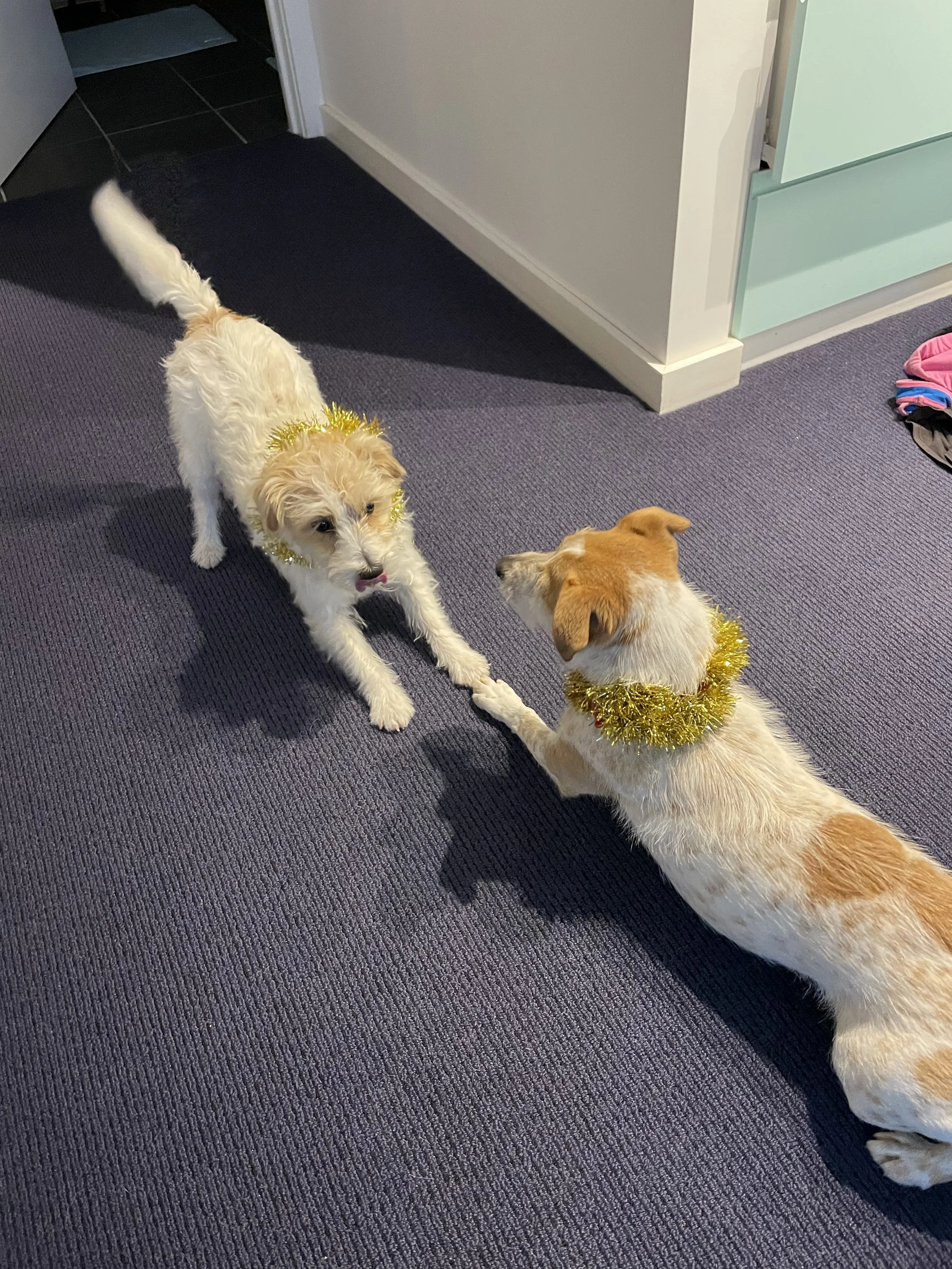
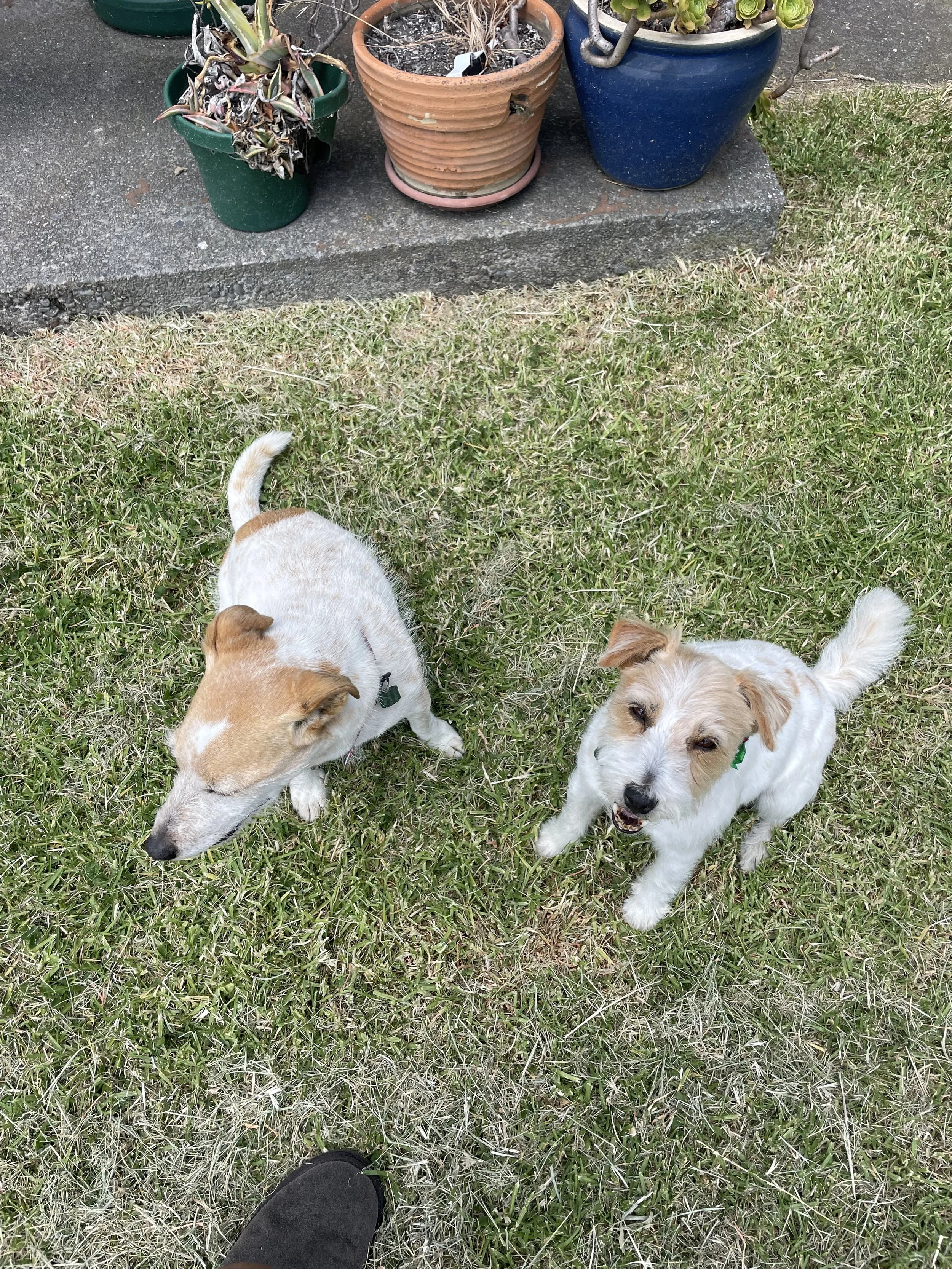
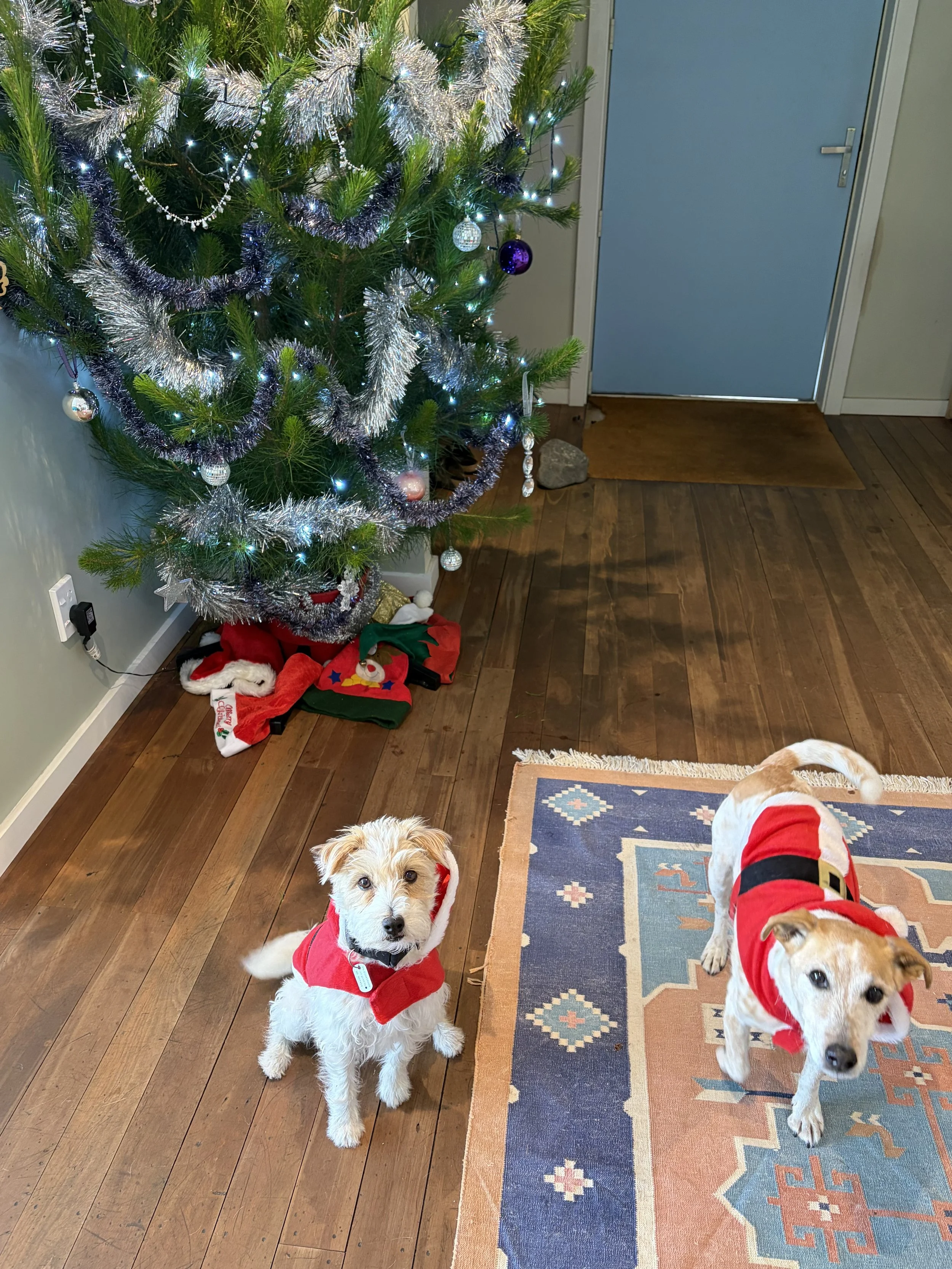
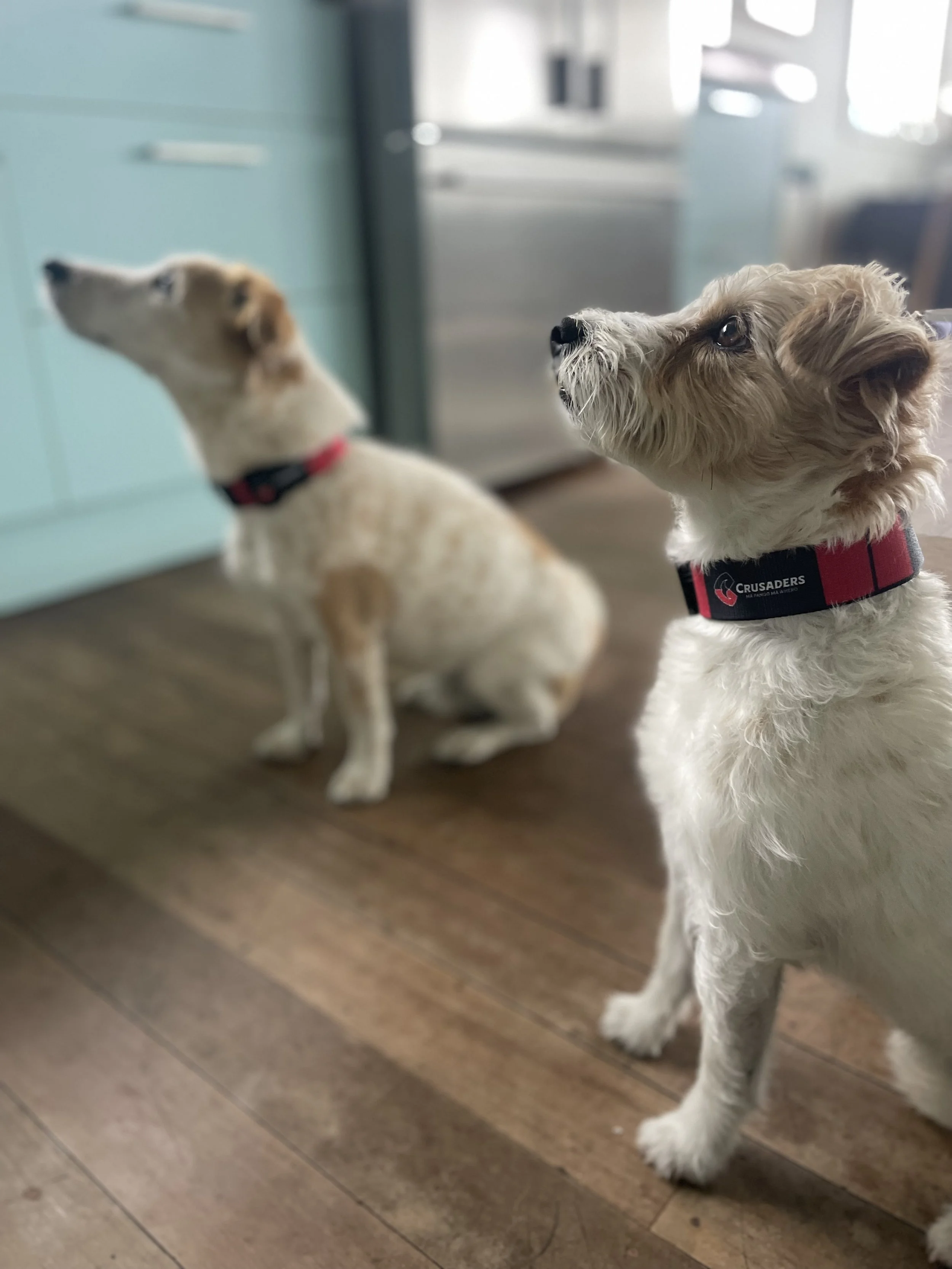
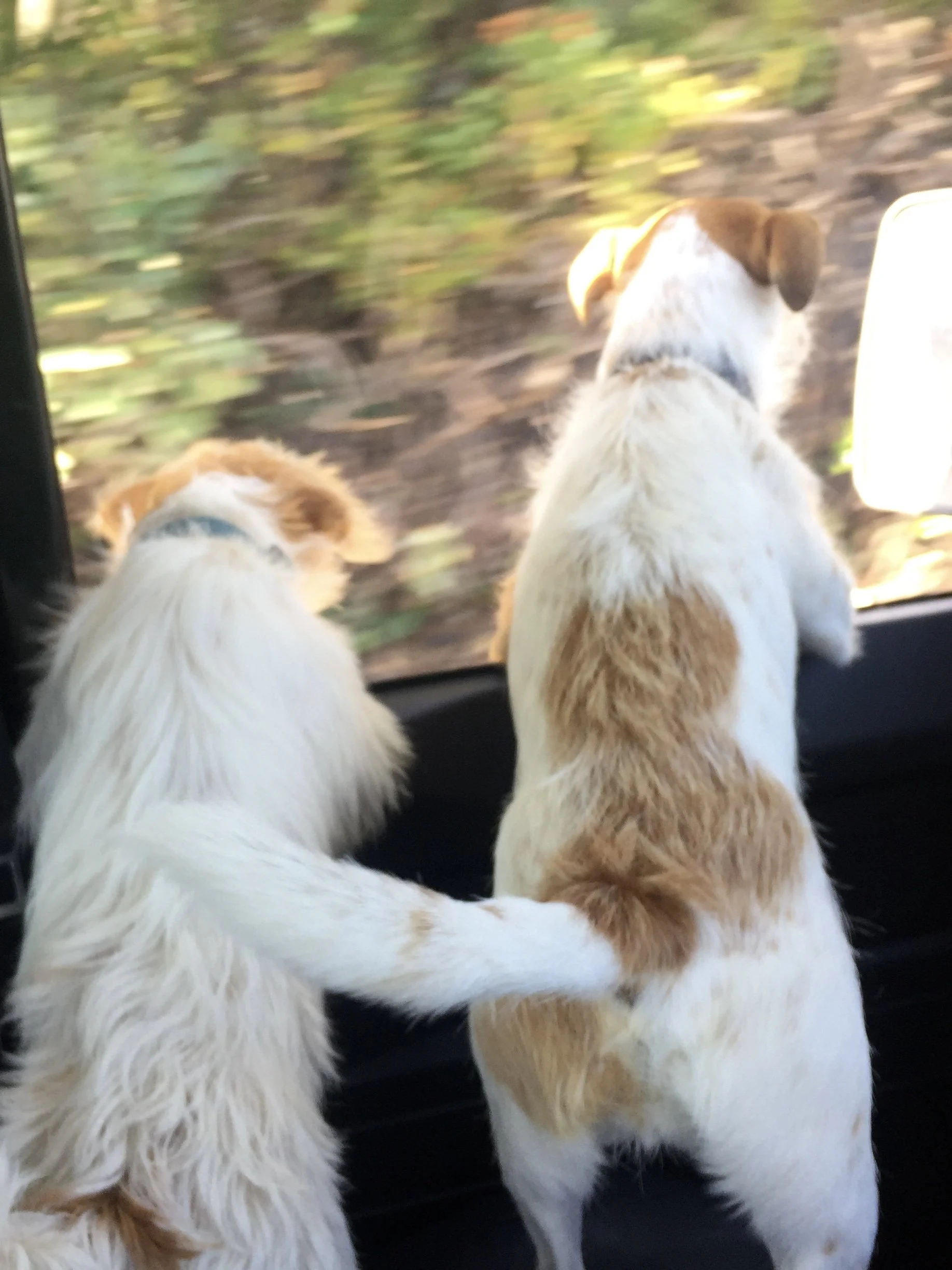
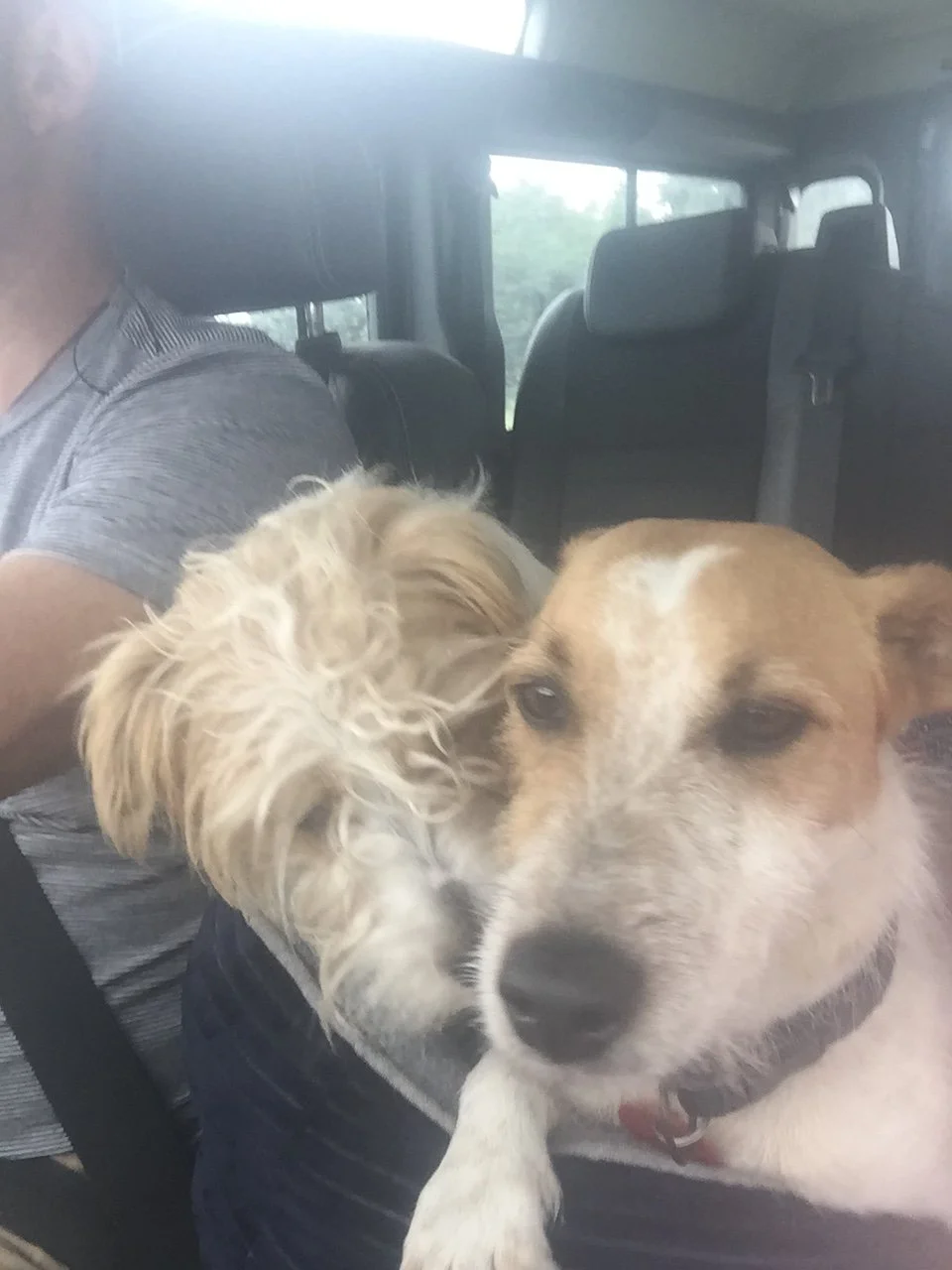
Jack and Lulu: close, but independent
I’ve also been thinking a lot about the nature of their relationship. They were very attached, but also quite independent.
They weren’t dogs who needed to be curled up together all day - they were perfectly capable of getting on with their own lives. But they were usually in the same room, would drink together from the water bowl at the same time. In the car they’d sit virtually on top of each other, pressing into one another. Sure they squabbled at times, but they were never far apart, exploring together on walks, heading off into the undergrowth and across the hillsides, checking things out side by side.
They had their own lives, but they shared one too.
Jack was her constant companion. Another warm body in the car. Another nose in the water bowl. The mate she’d wait with for the bike courier each morning, both of them ready to chase and yap in that infuriating way Jack Russells do.
Until suddenly he wasn’t.
Can dogs tell when another dog is dying?
I’ve wondered about this so much these past few weeks. Jack had been ailing for some time. He coughed increasingly in his last six months, and occasionally we’d notice Lulu give him what appeared to be a concerned sniff. Did she know something was wrong? I have absolutely no idea.
She was there with us when he died. Although, when the vet came to the house, Lulu was typically more attuned to the vet’s treats and the magical bag of fascinating vet stuff than to what was happening to Jack. But she was there so she can’t have missed the fact. And, afterwards, she saw my husband carry Jack out of the house to the vet’s car, and watched the vet drive him away. She saw him go.
Interestingly, there’s a widespread belief that it helps surviving dogs to see the body of their companion after they die - and I’ve spoken to people who deeply regret not giving their dog that opportunity. But the limited research we have doesn’t currently show a difference in subsequent behavioural changes between dogs who saw their companion’s body and those who didn’t. One study also found that seeing the body wasn’t associated with how long those behavioural changes lasted.
That doesn’t mean there’s no value in letting a dog see their companion after death. The research is limited, and it certainly can’t tell us what an individual dog understands from the experience. But I found it reassuring to know that, so far at least, there isn’t evidence suggesting dogs who don’t get that opportunity necessarily fare worse.
Which leaves me wondering, what do dogs understand about loss?
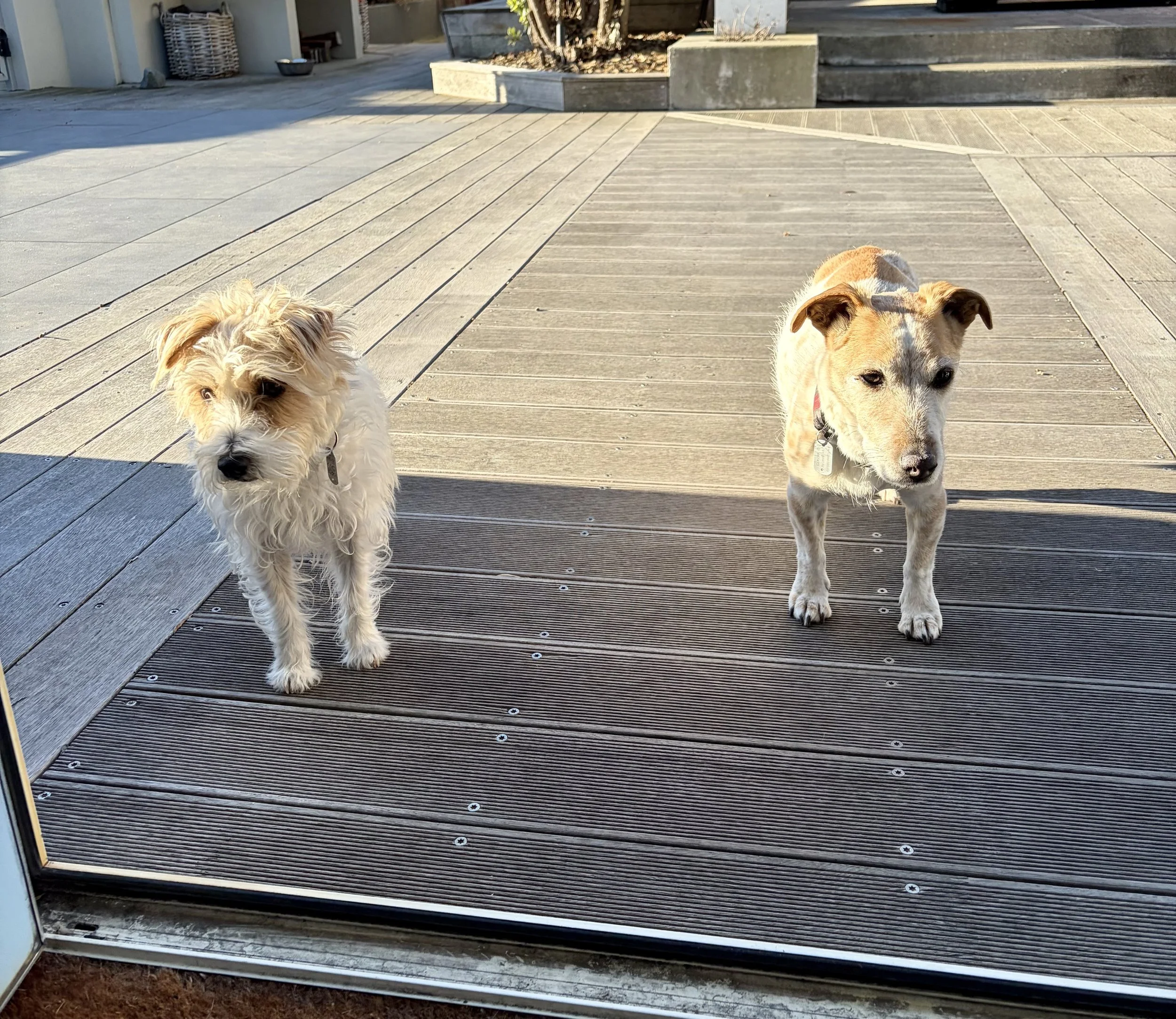
The photo I took of them both on Jack’s last day, which I’d dearly love to show her.
What are the signs of grief in dogs?
The scientific truth as to whether dogs grieve seems to be: we don’t entirely know.
We can’t ask them what they’re thinking. We can’t know whether Lulu understands death as death, but there is growing evidence that dogs behave differently after the death of another dog in their household.
A 2022 study published in Scientific Reports looked at 426 households in which one dog had died while another remained.
Owners reported some striking changes in the surviving dogs:
67% became more attention-seeking
57% played less
46% became less active
35% slept more
35% became more fearful
32% ate less.
Reading that list, I immediately recognised Lulu: the clinginess, the reduced activity, the slight loss of her usual spark.
But there was something else in the research that interested me. The quality of the relationship between the dogs seemed to matter more than how long they had lived together. That makes sense when I think about Jack and Lulu.
They weren’t dependent on each other, but they definitely had a bond. They had their own lives, but they shared one too - just look at the pictures above!
How can you help a grieving dog?
Advice for dogs experiencing behavioural changes after the loss of a companion is reassuringly ordinary: maintain their routines, keep them moving, give them affection and reassurance, let them seek company when they want it, and introduce opportunities for play and other enjoyable activities. Ideally, don’t drown them in your own grief as there’s also evidence to show they pick up on our feelings. I’m not saying hide your grief, but for me, it’s been a good reminder to try to keep things as normal as possible for Lulu’s benefit.
So that’s what we’re doing. All the usual things, while giving her time to adjust.
That doesn’t help my helplessness though. I’ve spent years studying grief, and one of its recurring lessons is how uncomfortable we humans are with helplessness.
We want to say the right thing. Do the right thing. Make the pain stop.
Watching Lulu has reminded me that sometimes none of those things is possible. Sometimes loving someone through loss means staying close while their world rearranges itself.
We can’t bring back what we’ve all lost.
We can’t know exactly what they’re feeling.
And we can’t hurry them through it.
We can only make sure that, while they find their way in this changed world, they don’t have to do it alone. That we walk alongside them until we all get used to the new normal.