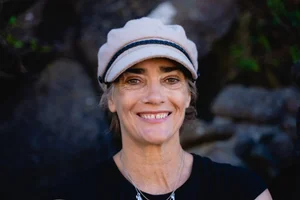
Fifteen Years On: What Years of Earthquakes Taught Me
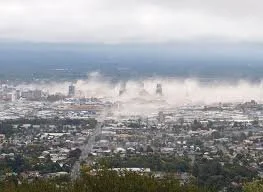
Today marks fifteen years since the earthquake that killed so many and flattened the city I call home. Nothing prepared us for that day.
Within minutes, lives were lost and Christchurch as we knew it was gone.
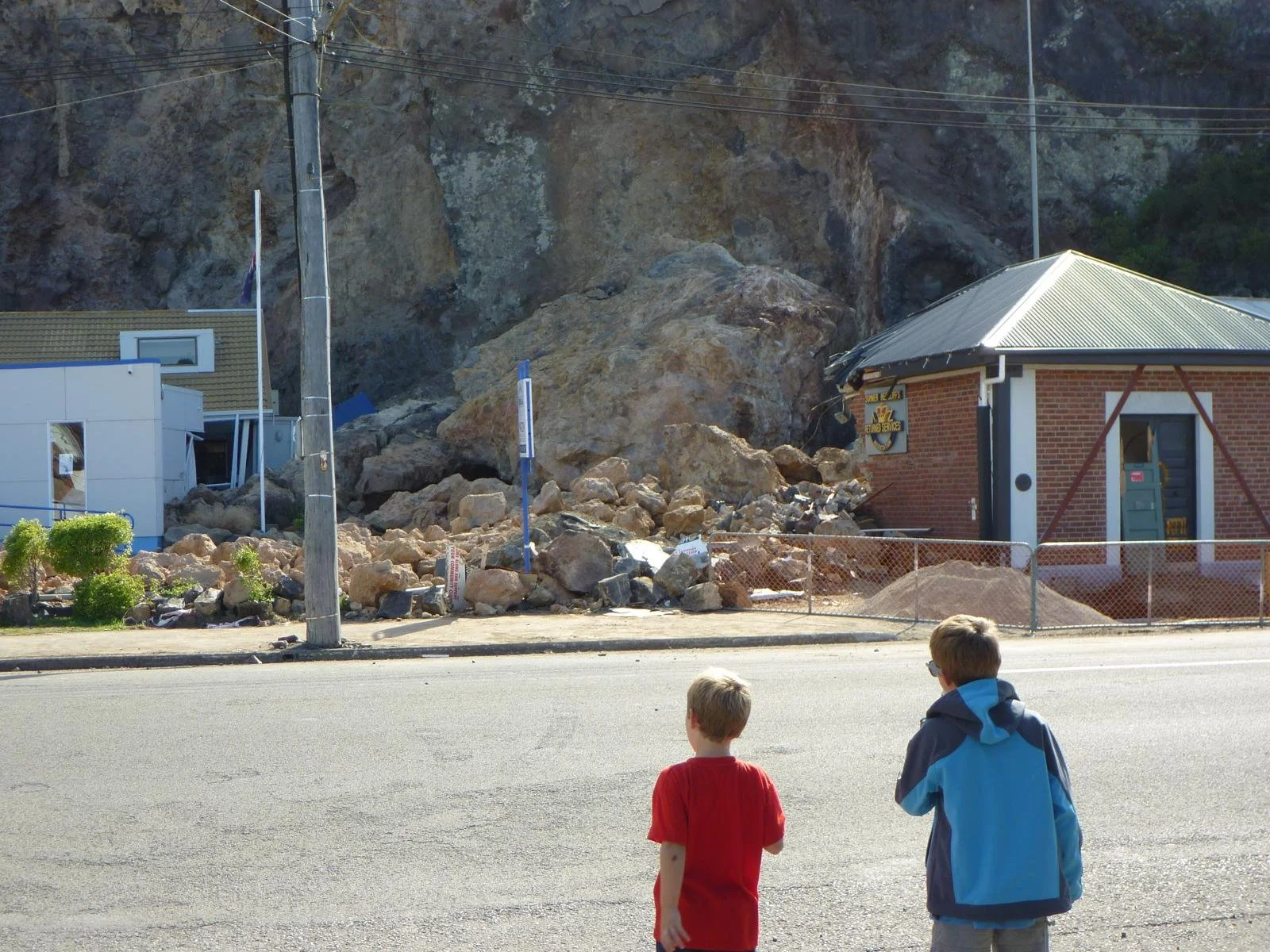
The city was cordoned off, shut to residents for over two years. In that time, we endured more than 11,000 aftershocks and four significant seismic events. The ground didn’t settle. Neither did we.
Living through that period changed me, and every resident of this city.
Today, I want to reflect on how far we’ve come and the three lessons those years taught me. Lessons that are relevant wherever you live in the world, whatever you do.
1. We don’t only grieve when someone dies
The earthquakes introduced me to the idea of living losses. As I write about in my latest book, they taught me that we grieve far more than just death. We grieve when the world we know disappears. When routines dissolve. When certainty evaporates.
I didn’t lose anyone in my immediate family and we were lucky enough not to lose our home - many of our friends and colleagues did. Yet I still felt overwhelmingly sad, anxious and lost.
Collectively, as a city, we’d lost the quiet confidence that tomorrow would look roughly like today.
2. You are only as strong as the people around you - resilience is collective, not individual.
One resident famously said, “The day after the earthquakes, you were only as good as the contacts in your phone” - a line that has never left me. There’s so much I want to say about people at that time, so many memories of us all huddled together, moving friends out of their much-loved but completely trashed homes, watching strangers lend a hand, digging the awful ‘liquifaction’ sludge that filled thousands of houses. But mainly, I want to focus on how those years showed me, first hand, that resilience is not an individual thing: you are only as resilient as the people you can call upon and together we are stronger than our individual parts. We like to think resilience is something we possess individually, but the earthquakes introduced me to ‘collective resilience’ - we are so much better together.
Neighbours checking in, schools collaborating instead of competing (for the first time), communities rigging up showers in the street, checking in one another, sharing generators, food and information.
In the years that followed, I also got to see how much those connections have strengthened us. When COVID struck, Christchurch was better prepared than many places. Having practised disruption, we had learned to lean on each other, to work together, to find ways to do things outside of our norms. I’ve written about this more in academic texts on resilience.
So the lesson here is to always invest in people.
3. Flexibility is vital
The earthquakes demanded flexibility at every level.
Mental flexibility – letting go of how things “should” be.
Emotional flexibility – allowing fear and frustration without being ruled by them.
Behavioural flexibility – changing plans, routines and expectations daily.
Being rigid didn’t serve anyone well. We literally saw this every day in the people who struggled most, those who couldn’t find a way to operate outside the workplace, home, or routine they’d had ripped away from them. I’m not saying reinventing your world is easy, but in the worst of times, being able to flex is absolutely essential.
And here’s the important part: you don’t build those skills on the day everything collapses, you build them beforehand. I write about this in my new book too - the idea of ‘presilience’ - the skills you cultivate in advance so that when disruption hits, you can find ways to keep going.
Christchurch didn’t expect those earthquakes. But through them, we built deeper connection, greater flexibility, appreciation and community, and a clearer understanding that resilience is foundational, not optional.
Fifteen years on, that may be one of the most important lessons of all.
If you liked this blog, feel free to share it, and sign up for my free newsletter, Better Days Ahead, where I share stories, tips and reflections on all things to do with resilience - insights from research, my own lived experience and working with others.
P.S. If you’re interested in seeing just how bad it was, you can take a look at how badly my suburb was hit here. I don’t say this to be gratuitous, but because I went looking for some images for this blog this afternoon, and was staggered how completely ‘munted’ it was myself. It’s not forgotten, but it no longer dominates my mind the way it once did. Instead, I feel such pride and amazement as I look round our new rebuilt stronger city today. Thank you to every single person who helped put it back together - stronger than it was, better by far. I’m hugely grateful to all of you (and yes, my husband was one of them! x)