Why We Need Places to Bump Into One Another
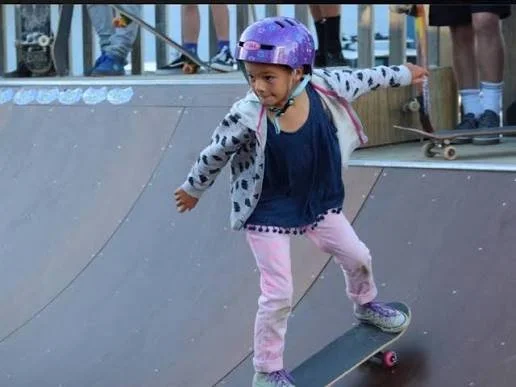
Last week we gathered in our village to formally say goodbye to our community skate ramp. Closed down by a few complaints of noise pollution (from the minority - noisy people themselves), hundreds came to bid this much-used village feature farewell.
I'm going to confess to having a vested interest in the village ramp. Our sons use it regularly and my husband was part of the team that built it. A diverse group of committed local families, whom I admire greatly, have gone out of their way to reduce the noise in a bid to keep it open, disabling it each night with a carefully placed chain. Why do they bother? Why was I so disappointed to see it go?
Because local young people loved it. They used it as a meeting place, relished the challenge of mastering new tricks, and enjoyed having a small part of the village to call their own. Since it was built in the post-earthquake environment, we've also admired how well its users – from toddlers to teenagers – mixed. And how much they encourage each other, young and old. I should say, in marked contrast to the frequently hierarchical and aggressive surf community just over the road.
What Makes Communities Resilient?
Some years ago, I was intrigued by research suggesting that community resilience may be greater than the sum of its individual parts. In other words, a community's resilience depends on more than the resilience of its individual members. An intriguing thought.
There's a collective mechanism at work here. People who live together, play together and bump into one another regularly are more readily able to draw together - and upon each other - when times get tough.
This very much aligns with my own experience, both in the wake of the Canterbury earthquakes and after Abi died. I learned then that, however resilient I might be as an individual, once I was incapacitated with grief, only by relying on others – a huge variety of others – could I get through.
Why We Need Places to Bump Into One Another
I have also been intrigued to know that an architect friend was taught at architecture school that ‘community is the opportunity for chance encounter’.
As we pass through different life stages, I've come to recognise how essential recreational facilities and shared community spaces are for strengthening diverse social connections.
We need spaces to bump into one another – not just our closest friends who tend to think and act like us, but people we once saw at school pick-up, those we used to play sport with, the person who owns the local garage, cut our children's hair or coached our kids' cricket team.
We need places to linger. Places where conversations with ‘others’ are able to occur naturally - but only if there's time and some shared reason to bring us together.
These spaces are important - they're places where different generations mix, where familiar faces become known (at some point maybe even trusted), and where we expand our world and our views.
For some, these spaces are the library, the church, the bowls club, the pub, the skate ramp and all the other sporting facilities. For others they’re the swings, the park, the beach, the field, the village green, the coffee shop, the dog park, the school gate, the local market, the community garden, the neighbourhood gym, the public swimming pool, the walking trail, the corner store, the playground, the bookshop or even the park bench where the same faces appear each morning.
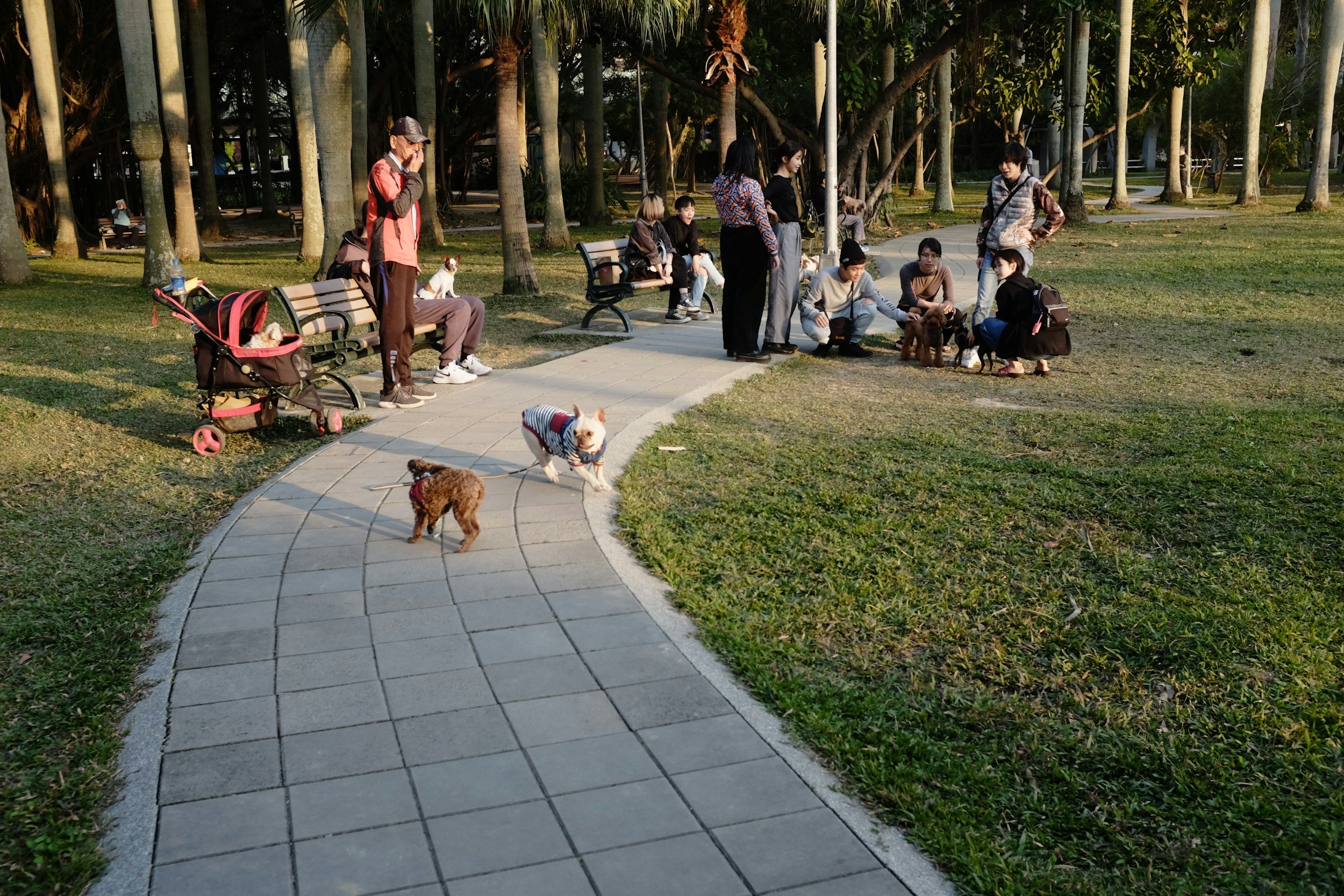
The specific place matters less than what it provides:
A reason to show up, to linger awhile, and to repeatedly encounter people whose lives intersect with our own.
How Social Connection Protects Us From Loneliness
When we know that loneliness not only makes us sick but can also shorten our lives, we need to pay attention to Robert Putnam's warnings in Bowling Alone, where he describes the devastating impact of social isolation.
We need a broad range of spaces for people of all ages and interests to gather – from our dog parks and toddler groups, to our sports clubs, bridge groups, book clubs and all other community organisations.
We need to make room for all sectors of society. Somehow, we need places where even scruffy teenagers are welcome to gather safely within their communities; where they can rekindle friendships from primary school, learn from older generations and show their kindness and tricks to the little people following behind them.
I don't want to be shut away socialising only with people like me.
I want places where I can watch my boys, exchange a few words with the young people they're spending time with, get to know them maybe, and feel connected to the wider community around us.
I'm probably more aware than most that beneath the grubby teenage exterior, many young people are simply craving adventure, risk, challenge and social connection. They're hard-wired to seek these things.
Without a broad range of community spaces that cater for different ages, interests and backgrounds, we risk becoming more isolated, more divided and ultimately more lonely. We risk driving them away, underground, into much more dangerous silos.
And, that's the very opposite of resilience.