Do You Get TOMO - Terror of Missing Out?
Learning the Difference Between Distraction and Restoration
A reader wrote to me recently sharing her story of transitioning from “TOMO - terrified of missing out” to learning to relish her own company.
What struck me most was this:
“Through this experience I’ve learnt that taking time for myself is so important and that it’s ok to be by yourself. The people who love you will still be there for you when you’re ready. And taking time out to do restorative things is just as fun and enjoyable.”
That made me think. Because when life becomes overwhelming, humans have always searched for refuge - in some shape or form. We love to numb our emotional experience, fill up the emptiness and pave over the cracks of our lives.

The Modern Ways We Escape From Ourselves
Historically, we often found refuge in alcohol, tobacco, drugs - the traditional ways to numb, distract, and soften the edges of life’s difficult moments.
Now, though, we have an endless supply of more socially acceptable refuges: streaming TV, social scrolling, podcasts, bulging inboxes that require our hourly attention, hyper-productivity, constant social engagement, and endless work. So much work.
And, unlike older forms of escape, many of these look admirable from the outside. You can be exhausted, overwhelmed, lonely, burnt out or emotionally overloaded – while still appearing highly functional and committed.
In fact, modern life obstensibly rewards constant engagement. Being busy can feel like proof of worth. Slowing down can feel uncomfortable, unfamiliar, undesirable and even irresponsible.
Why Being Alone Feels So Difficult
This one particular email made me wonder how many of us have lost something important: the ability to be by ourselves without immediately reaching for distraction. I know I battle with the incessant urge to stay on top of email, reaching for my phone the second I’m presented with a quiet moment.
I’m not suggesting solitude is morally superior, nor that retreating from life is the answer: sometimes refuge is other people; sometimes it’s laughter, movement, community, routine, creativity or meaningful work that genuinely restores us. But there’s a difference between restoration and numbing.
And I’m becoming increasingly aware of how easy it is to slip into numbing.
So, perhaps the most pressing challenge is learning which of our places and practices of refuge actually replenish us – and which merely keep us occupied enough not to feel.
Have we become better at staying stimulated, distracted and externally engaged and worse at sitting quietly with ourselves. Can we even remember what it feels like to be bored?
The Difference Between Escaping and Restoring Yourself
This particular emailer shared that a recent life experienced had gifted her permission to step back and say no. “I don’t normally like being by myself a lot but this experience has taught me that that’s ok and how to be comfortable on my own. It’s been a huge growth experience.”
In a culture that constantly tells us to optimise, engage, respond, consume and keep going, this can be quite the discovery.
A Few Questions To Ponder
Where do you take refuge when life feels overwhelming?
Which habits genuinely restore you - and which simply distract, numb or fill in the time?
Have we forgotten how to simply be alone with ourselves?
I’ve been experimenting with this myself. Trying to sit outside with no phone, no coffee, just me and the birdsong. Sitting in the car and looking around me, noticing how many blue things I can spot instead of seeking stimulation. Walking without podcasts or headphones. Just me, no input, no distraction. Me and my thoughts.
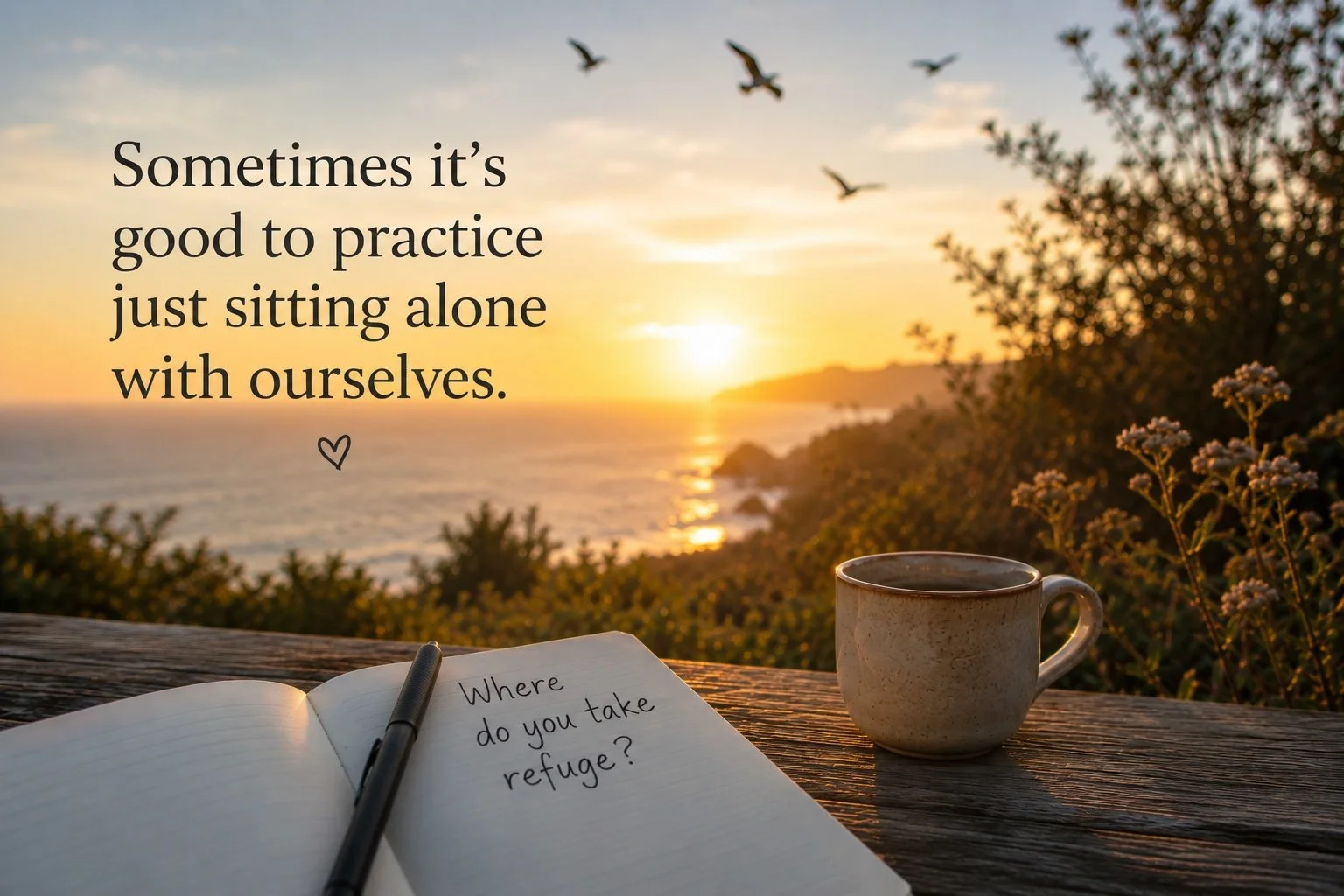
Sometimes it feels calming, sometimes refreshing, at others a bit confronting, if I’m honest. But it’s definitely been illuminating. How about you?
If this resonated, feel free to share it with someone else who might find it interesting too.
You can also sign up for my Better Days Ahead newsletter, where each week I explore the challenges and opportunities of modern living.